


Disclaimer: This blog post is for informational purposes only and does not constitute legal advice. Please consult an attorney for guidance on specific laws regarding Remote Online Notarization (RON), digital signatures, and related legal matters. As laws concerning RON and notarization are subject to frequent changes, it is advisable to verify current regulations with your local government.
Key Takeaways
- A notarial certificate is the written record completed by a notary public documenting a notarization.
- It confirms the identity verification, date, location, and type of notarial act performed.
- Common certificates include acknowledgments, jurats, copy certifications, and oaths or affirmations.
- Notarial certificates help deter fraud and strengthen the legal reliability of documents.
- In many states, the certificate may also be completed electronically during Remote Online Notarization (RON).
If you’ve spent any time working with legal documents, you’ve likely come across the term “notarial certificate” and wondered exactly what it means. The phrase may sound formal or intimidating, but the concept behind it is fairly straightforward.
A notarial certificate is the official record that a notary public completes to document and authenticate a notarial act. Understanding what goes into one, and why it matters, can help you approach the notarization process with a lot more confidence.
What Is a Notarial Certificate?
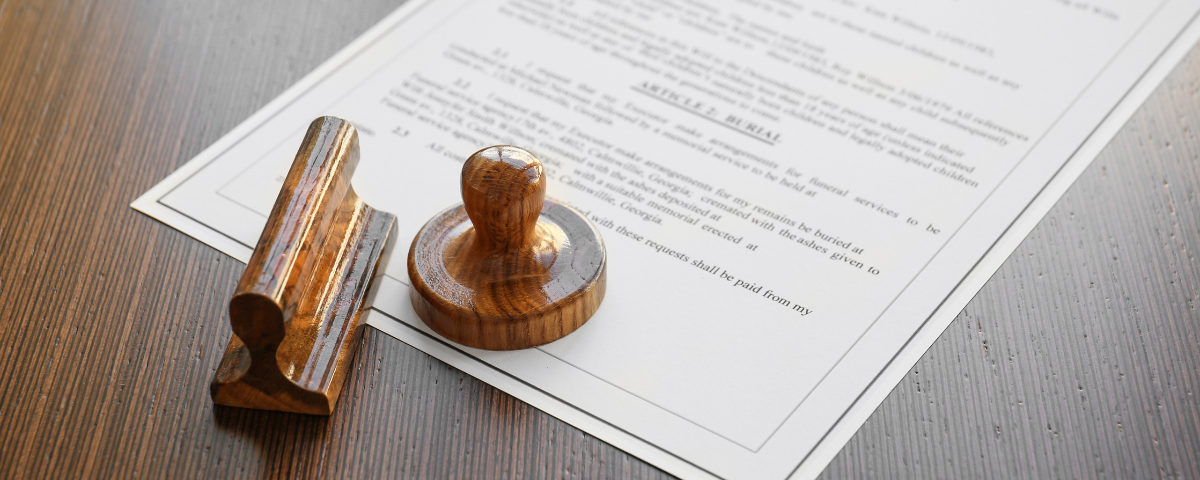
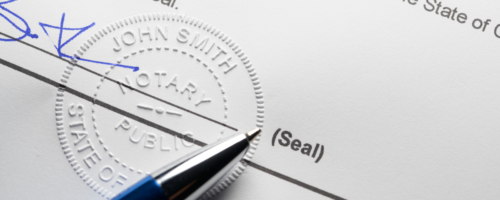
At its core, a notarial certificate is the section of a document completed by a notary public that records the notarial act performed, confirming that the required procedures (such as identity verification, acknowledgment, or administration of an oath) took place. When you see a document with a notary’s seal and signature, the notarial certificate is the formal portion of that record, confirming that the notary carried out the required notarial procedures for the specific type of notarization.
Notaries are public officers appointed by state governments to serve as impartial witnesses. They are authorized to administer oaths and affirmations, take acknowledgments, and verify the authenticity of signatures. Their role is to add a meaningful layer of credibility and fraud deterrence to important documents.
A notarial certificate typically provides meaningful protection against fraud and misuse. By including a notary’s seal and signature, notarization can help deter fraud, and it becomes harder for individuals to later dispute their involvement or the authenticity of the document’s contents.
Common documents that often require notarization include deeds, mortgages, powers of attorney, affidavits, and oaths. Knowing what a notarial certificate is and how notaries function can help you feel well-prepared whenever important legal paperwork needs to be properly verified and witnessed.
| Quick Definition A notarial certificate is the portion of a document completed by a notary public that records the details of a notarization. It confirms the type of notarial act performed (such as an acknowledgment or jurat), the date and location of the notarization, and the identity verification conducted by the notary. The certificate becomes the official record that the notarization occurred according to state law. |
The Purpose of a Notarial Certificate
The value of a notarial certificate lies in its ability to link a signer’s verified identity to a specific document at a specific point in time. By connecting who signed to what was signed, it can deter fraud and lend the document greater credibility if it ever needs to serve as evidence in a legal proceeding.
Businesses, government agencies, and individuals often rely on notarized documents because the notary’s seal signals that standard verification procedures were completed. It’s a layer of assurance that goes beyond a simple signature.
What Is Included in a Notarial Certificate?
While the exact format can vary from state to state, most notarial certificates include a consistent set of key elements. These typically cover the venue (the state and county where the notarization took place), the date the notarization was performed, a statement indicating that the signer’s identity was verified through acceptable means under state law (such as government-issued identification, personal knowledge, or credible witnesses), a sworn statement that the signer appeared before the notary willingly, and the notary’s official signature and seal or stamp.
The seal must match the notary’s commissioned name exactly. This level of detail is what makes the certificate meaningful as a verification tool, rather than just a formality.
Notarial certificates are governed by state law in the United States, and their wording and required elements are typically defined in each state’s notary statutes or administrative regulations. Most states regulate notarial certificates through statutes or Secretary of State administrative rules.
Types of Notarial Certificates
Not all notarial certificates look the same, because different notarial acts call for different types. The most common include:
- Acknowledgments: The signer confirms they signed the document voluntarily.
- Jurats: The signer swears or affirms that the content of the document is true.
- Copy Certifications: In some states, a notary may certify that a copy of a document matches the original presented to them. However, many states prohibit copy certification of certain records, particularly vital records like birth or death certificates.
- Oaths and Affirmations: The notary administers a formal oath or affirmation to the signer.
Each type carries specific required language, and a notary selects the appropriate one based on the document and the nature of the notarial act being performed. Completing the certificate correctly is important for the notarization to hold up legally.
Example of When You Need a Notarial Certificate
If you’re refinancing your mortgage, signing a power of attorney for a family member, or submitting an affidavit for court proceedings, the receiving institution may require a properly completed notarial certificate before accepting the document.
The Role of a Notary Public
A notary public is a state-appointed official who serves as an impartial witness to the signing of important documents and the administration of oaths. Their job is to verify the identity of signers and confirm that the signer appears to be acting willingly and without coercion and is acting voluntarily.
Notaries work within a defined set of rules governed by state law. This includes properly identifying signers, completing the appropriate notarial certificate, and keeping a record of each notarization. They must also maintain impartiality and cannot refuse service based on race, religion, nationality, or other protected characteristics.
Who Can Notarize a Document?
Only a currently commissioned notary public can perform notarizations. Notaries are typically appointed by their state government after completing required training and passing an exam. When appointed, a notary receives an official seal that includes their name, title, state, and commission expiration date. Some states also require a surety bond or errors and omissions insurance.
Certain professionals, such as attorneys or government officials, may hold notarial powers by virtue of their office, but they are still expected to follow proper notarization procedures and use an official seal.
What Notaries Cannot Do
Understanding the limits of a notary’s role is just as important as knowing what they can do. Notaries generally cannot give legal advice or prepare legal documents, notarize incomplete documents or blank spaces, certify true copies of vital records such as birth certificates, notarize documents in which they have a personal interest, or refuse service based on protected characteristics.
Failing to follow these rules can result in serious consequences, including suspension or revocation of a notary’s commission, and in some cases, criminal charges. Proper procedure isn’t just procedural; it protects everyone involved.
How Is a Document Notarized?
The notarization process is more straightforward than it might seem. A bit of preparation beforehand tends to make the whole experience smooth. Before sitting down with a notary, you’ll want to have the unsigned document ready, a valid form of government-issued identification, and any required witnesses.
Notaries follow specific procedures, and those steps exist to protect everyone involved. The typical process looks like this: the signer appears before the notary and presents valid ID; the notary verifies the signer’s identity and confirms willingness to sign; the signer signs the document in the notary’s presence; the notary completes the notarial certificate wording; and finally, the notary signs and applies their seal to finalize the notarization.
It’s worth noting that notaries cannot notarize blank or incomplete documents, and the date on the certificate must reflect when the signer actually appeared. Pre-dating or post-dating a notarization is not permitted.
Can a Document Be Notarized Online?
In many states, documents can now be notarized remotely through a process called Remote Online Notarization, or RON. This approach allows signers and notaries to connect via audio-visual technology, completing the notarization without anyone needing to be in the same physical location.
To participate in a RON session, signers typically need a device with webcam and audio capabilities, plus a reliable internet connection. The notary uses an approved platform to verify identity electronically and complete the notarial certificate digitally. Platforms like NotaryCam specialize in providing this kind of secure, structured environment for remote notarizations.
RON can be a practical option for people who find it difficult to meet with a notary in person, whether due to location, schedule, or accessibility considerations. That said, it’s one option among several, and the right fit depends on the document type and where you’re located.
Note: RON laws vary significantly from state to state. Some states have comprehensive frameworks supporting remote online notarization, while others may have restrictions or different requirements. Before pursuing RON, check with your state’s regulatory authorities and consult with an attorney familiar with notarization laws in your jurisdiction to help ensure compliance with current local legislation.
Common Documents That Often Require Notarization
Many important legal documents may require a notary’s seal, though specific requirements can vary by state and situation. Here’s a look at some of the most common ones.
Affidavits
An affidavit is a sworn written statement made under oath, and it’s commonly notarized to add a layer of verification. The notary administers the oath and confirms the signer’s identity and willingness to sign, then completes a jurat certificate. Affidavits are often used in legal proceedings, insurance claims, and government filings.
Contracts
Certain contracts, such as business agreements, prenuptial agreements, and vehicle titles, may benefit from notarization. The notary verifies the identities of all parties involved, adding a layer of accountability that can be valuable if a dispute arises later.
Powers of Attorney
A power of attorney (POA) is a legal document that grants another person authority to act on your behalf. Because of the significant authority being transferred, POAs are typically notarized. The notary confirms that the person granting authority is doing so voluntarily and with a clear understanding of what they’re agreeing to. This is especially important for durable POAs, which remain in effect even if the principal later becomes incapacitated.
Deeds
Real estate deeds, which officially transfer ownership of property, are almost always notarized. The notary verifies the identity of the current owner and confirms there is no sign of coercion. Some states may also require the recipient’s signature to be notarized, depending on local requirements.
Loan Documents
Loan agreements, promissory notes, and mortgages often require notarization, particularly for significant sums. Lenders typically rely on notarization to confirm the identity of the borrower and establish that the borrower entered the agreement willingly. This may also allow the lender to record the mortgage or deed of trust, securing their interest in the property.
Exploring Remote Notarization Platforms
If you’re a commissioned notary looking to expand into remote online notarization, or you’re already doing RON work and want a more professional platform, NotaryCam offers a couple of paths worth exploring.
For notaries interested in working on a contract basis, NotaryCam is actively looking for experienced remote online commissioned notaries for both general notary work and real estate loan signings. You can learn more and submit an application through the careers page.
If you prefer to run your own independent notary business, NotaryCam also offers software licensing for independent notaries. The platform provides enterprise-level capabilities, including scheduling, multi-attendee sessions, identity verification, and 10-year minimum video and journal retention, without requiring a large upfront investment.
You can explore the details and sign up on the independent notary software page.
Keep in mind that RON state registration is separate from traditional notary certification, so you’ll want to confirm your state’s requirements before getting started.
Frequently Asked Questions
Who completes a notarial certificate?
A notarial certificate is completed by a commissioned notary public at the time the notarial act is performed. After verifying the signer’s identity and witnessing the signing, the notary fills in the required certificate language, applies their official seal, and signs the document. The exact wording and format can vary depending on the type of notarial act and the state where the notarization takes place. It’s the notary’s responsibility to select the appropriate certificate type and complete it correctly.
What elements are typically found in a notarial certificate?
Most notarial certificates include the state and county where the notarization occurred, the date of the notarization, the name of the signer, a statement reflecting the type of notarial act performed (such as an acknowledgment or jurat), and the notary’s signature and official seal. The required language can differ from state to state, so notaries typically work from approved certificate forms for their jurisdiction. Getting all these elements right is important for the notarization to be considered legally valid.
Can a notarial certificate be completed online?
In states that authorize Remote Online Notarization (RON), a notarial certificate can be completed digitally during a live audio-visual session. The notary uses an approved RON platform to verify the signer’s identity electronically, witness the digital signing, and apply a digital seal. To participate, signers typically need a device with webcam and audio capabilities and a stable internet connection. Because RON laws vary by state, it’s a good idea to confirm whether your state authorizes this option and what requirements apply before scheduling a remote session.
What is the difference between an acknowledgment and a jurat?
These are two of the most common types of notarial certificates, and they serve different purposes. An acknowledgment is used when a signer confirms they signed a document voluntarily, but does not necessarily sign in front of the notary. A jurat, on the other hand, requires the signer to sign in the notary’s presence and swear or affirm under oath that the contents of the document are true. The type of certificate needed depends on the document and what the law or the situation requires, so it’s worth clarifying with a legal professional if you’re unsure which applies to your situation.
What happens if a notarial certificate is completed incorrectly?
An error in a notarial certificate can raise questions about the document’s validity and may cause it to be rejected by courts, government agencies, or financial institutions. In more serious cases, improper notarization can expose the notary to disciplinary action, including suspension or revocation of their commission. For signers, it may mean having to repeat the notarization process. If you’re ever uncertain about whether a notarization was completed properly, consulting with an attorney can help you understand your options and next steps.
Conclusion
A notarial certificate may sound like bureaucratic paperwork, but it serves a genuinely important function. It’s the formal record that a qualified, impartial witness verified identities, confirmed voluntary intent, and followed proper procedures. Whether you’re signing a deed, granting power of attorney, or swearing to the truth of an affidavit, that certificate is what gives the document its weight.
For notaries, understanding the certificate deeply is part of the job. The type of certificate, the required language, and the proper seal all matter, and getting them right protects both the signer and the notary professionally. As RON continues to expand access to notarization, the fundamentals of what makes a notarial certificate valid remain the same, even as the delivery method evolves.
If you’re a notary public looking to grow your practice or expand into remote notarization, there are tools and opportunities available to help you do that professionally. And if you’re a signer navigating an important document, knowing what’s in that certificate and why it matters can give you real peace of mind throughout the process.


 Your Privacy Choices