


Disclaimer: This blog post is for informational purposes only and does not constitute legal advice. Please consult an attorney for guidance on specific laws regarding Remote Online Notarization (RON), digital signatures, and related legal matters. As laws concerning RON and notarization are subject to frequent changes, it is advisable to verify current regulations with your local government.
Think of a notary public as a reliable guide in the world of document integrity. When people ask, “What does a notary do?”, the answer often centers on confirming identity. A notary’s role is to help verify that individuals are who they say they are before they sign important documents, supporting a process where signatures are genuine and parties understand what they are signing.
You can think of notaries as referees in the signing process, helping to spot potential issues before they turn into bigger problems. This identity confirmation can help reduce the risk of disputes, such as finding out later that a signature on a property deed or legal document was not legitimate.
By exploring “What Does a Notary Do?”, you can learn how notaries may confirm identities using government-issued IDs, witness signatures in person or online, and follow procedures that align with state laws. Staying informed on how notaries work, and how law changes may impact this process, can help you navigate important transactions with clarity. Let’s start with the basics: what does a notary do?
What Does a Notary Do?
Think of a notary public as a neutral witness who helps keep important document signings clear, fair, and fraud-resistant. Their role often involves verifying the identity of the signer, ensuring the signer appears willingly and understands what they are signing, and adding an official seal to the document.
Notaries may help prevent disputes later by documenting the signing process and confirming that the signature is genuine. This step can be particularly important in transactions like real estate deals, powers of attorney, and other legal agreements where a properly executed signature can help protect everyone involved.
While it might feel like just a quick stamp and signature, a notary’s work can support the integrity of the transaction and may add an extra layer of trust for all parties. In many cases, notarization can help ensure that a document is ready for acceptance by courts, banks, and government agencies.
Why Is Notarization Important?
Notarization can play a key role in supporting the validity and trustworthiness of important documents. By verifying the identity of the person signing and witnessing the signature, a notary may help reduce the risk of fraud and misunderstandings.
Many organizations, such as banks, title companies, and courts, often require notarized documents because the process can add an extra layer of assurance that the signature is genuine and that the signer appeared willingly. This step might help protect everyone involved in the transaction if questions arise later about the document’s execution.
While notarization does not make a document “legal,” it can help strengthen the document’s credibility and support its acceptance in a variety of transactions. Whether you are handling a real estate deal, creating a power of attorney, or finalizing a business agreement, notarization may help ensure your paperwork is in order for the next step.
Types of Notaries
Not all notaries operate in the same way, and understanding the differences can help you choose the right service for your needs.
- Traditional Notary Public: Often found at banks, law offices, and shipping centers, these notaries witness signatures in person and apply their seal to documents.
- Mobile Notary: A mobile notary travels to your location—whether that’s your home, office, or hospital, making it easier to complete notarizations when you can’t travel or need flexibility.
- Remote Online Notary (RON): Commissioned to perform notarizations online, RONs use secure audio-video technology to verify identities and witness signatures, allowing documents to be notarized without in-person meetings, depending on state laws.
Each type of notary can help support the integrity of your documents while offering flexibility to match your situation.
The Process of Document Notarization Explained
When you’re ready to make an important document official, a notary public often steps in to help ensure the process is clear, secure, and properly executed. Think of a notary as a neutral guide for your paperwork, supporting the integrity of each signature and helping reduce the risk of fraud.
Identifying Signers and Verifying Willingness
A key part of notarization involves confirming the identity of the person signing. Notaries typically check a government-issued photo ID, such as a driver’s license or passport, to help verify that the signer is who they claim to be. They may also check that the signer appears willing and aware of what they are signing, supporting the prevention of coercion or misunderstandings.
Certifying Documents with Precision and Care
Before a notary applies their seal, they review the document to ensure it is complete and ready for notarization. While notaries do not provide legal advice, their role in witnessing the signing can help confirm that the signature is genuine, that the signer was present, and that the document may be accepted by banks, courts, or other parties requiring notarized paperwork.
Supporting the Integrity of Transactions
In a world where identity theft and fraud can occur, notarization may help add another layer of trust and accountability to legal transactions. The notary’s seal and record of the notarization may provide evidence if a question arises about the document in the future, supporting the document’s credibility and acceptance.
Key Takeaway:
Notaries can help verify identities and support the proper execution of documents, helping to reduce the risk of fraud while adding trust to transactions. Whether you choose in-person notarization or online options, the notarization process can help ensure your important documents are ready for the next step.
The Role of Identity Verification in Preventing Fraud
You’re about to close on your dream home, and all that stands between you and the keys is a stack of documents waiting for a notary’s stamp. But how can everyone involved be confident it’s truly you signing those papers? That’s where identity verification steps in.
Notaries public often act like gatekeepers for legal transactions, checking government-issued IDs such as driver’s licenses or passports to help confirm the signer’s identity. This process may involve more than a quick glance—many notaries carefully review details like photos, holograms, and watermarks to help ensure the ID is valid and the signer is who they claim to be.
This level of identity verification can help reduce the risk of fraud in transactions, supporting the protection of your signature and the integrity of your paperwork. By confirming identities and witnessing signatures, notaries may help prevent situations where someone else attempts to sign or alter documents without your knowledge.
Certifying Documents with Care
A notarized document may carry additional credibility because it has been reviewed and certified by a notary. The process typically involves checking that names match, ensuring the document is complete, and confirming that the signer appears willingly before adding the notary’s seal.
Notaries follow clear guidelines to maintain impartiality and consistency, which can be especially important when handling documents like property deeds, powers of attorney, or legal agreements. Additionally, using digital tools for notarization may help reduce paper waste, aligning with more sustainable practices while supporting the secure execution of documents.
Key Takeaway:
Notaries can support the prevention of fraud by verifying identities and confirming signatures, helping protect the integrity of important documents. With both in-person and online options available, notarization may offer a secure and accessible way to add trust to your transactions.
Understanding Remote Online Notarization (RON)
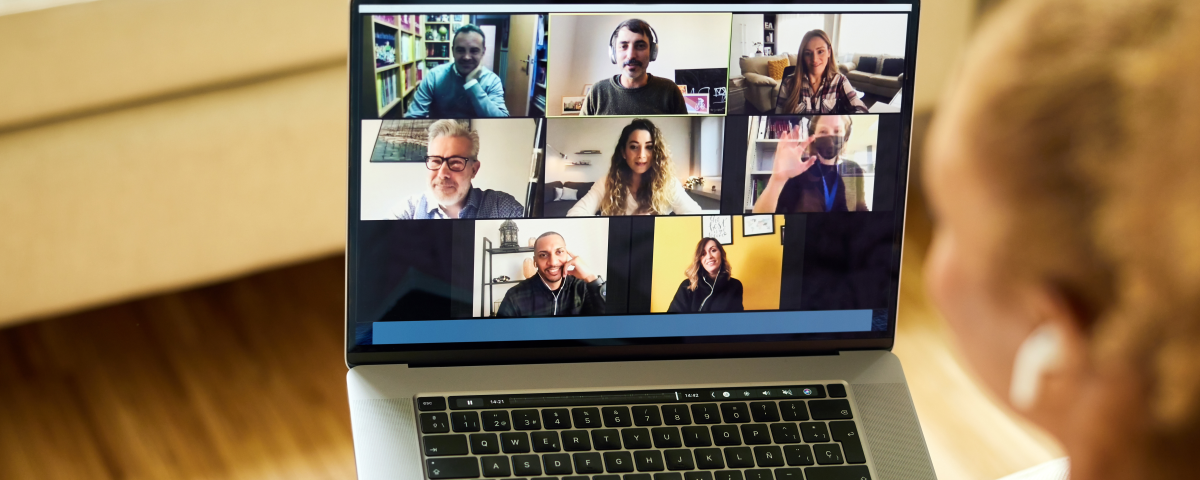
Remote Online Notarization (RON) is changing the way documents can be notarized, making the process more accessible for individuals who may not be able to meet a notary in person. Instead of sitting across a desk, signers and notaries connect through a secure audio-video platform, allowing documents to be signed and notarized online.
How Notaries Conduct RON
During a RON session, a commissioned online notary meets with the signer through a live, secure video call. The notary will typically:
- Verify the signer’s identity using government-issued ID and, in many cases, additional identity-proofing tools such as knowledge-based authentication (KBA) questions or credential analysis.
- Ensure the signer appears willing and aware of what they are signing.
- Witness the electronic signature on the document.
- Apply an electronic notarial seal and digital certificate to complete the notarization.
RON platforms often record the session as part of the process, creating a digital record that may help support the transaction’s integrity.
State-by-State Laws Impacting RON
It’s important to know that the availability and process for RON can vary based on state laws. Some states have authorized their notaries to perform RON directly, while others may still require in-person notarizations or have specific conditions for remote notarizations.
For example, as of now, many states including Florida, Texas, and Virginia allow their commissioned notaries to perform RON for residents and out-of-state clients, while other states may limit or restrict its use. Additionally, each state may have specific rules around:
- Which documents can be notarized remotely
- The type of identity verification required
- Record-keeping and storage of video recordings
- The platforms that can be used for notarizations
Because of these differences, it can be helpful to confirm your state’s RON laws or consult with an attorney who is familiar with local requirements before proceeding with a remote notarization.
Key Takeaway:
RON can offer a flexible, secure way to complete notarizations from virtually anywhere, but it is guided by state-specific laws that determine how and when it can be used. By leveraging technology, notaries may support clients’ needs while maintaining the integrity and trust required in notarization processes.
How to Become a Notary
If you’re interested in becoming a notary, the process can vary by state, but there are a few common steps you might expect.
- Check Eligibility Requirements: Most states require you to be at least 18, a resident of the state (or employed there), and free of certain criminal convictions.
- Complete Required Training: Some states require notary education courses, which may be offered online or in person, to help you understand your responsibilities.
- Pass an Exam (If Required): A few states require a written exam to test your knowledge of notary laws and procedures.
- Submit an Application: You’ll typically need to apply through your state’s commissioning office (often the Secretary of State), pay a filing fee, and sometimes provide a photo and fingerprints.
- Obtain a Notary Bond (If Required): Many states require a surety bond to help protect the public in case of errors or misconduct.
- Purchase Supplies: This usually includes a notary seal or stamp and a journal for record-keeping, depending on your state’s requirements.
- Receive Your Commission: Once approved, you may take an oath of office and receive your commission certificate, allowing you to begin notarizing documents.
Becoming a notary may allow you to provide a valuable service in your community, supporting the integrity of important transactions while following clear legal guidelines.
Using NotaryCam for Remote Online Notarization (RON)
If you’re a notary looking to expand your services, using a trusted platform like NotaryCam may help you offer Remote Online Notarization (RON) to your clients while maintaining compliance and efficiency.
NotaryCam enables commissioned online notaries to meet with signers through a secure, live video call, making it possible to notarize documents without requiring in-person meetings. Through the platform, you can:
- Verify the signer’s identity using government-issued IDs and credential analysis tools.
- Confirm the signer’s willingness and awareness of the document.
- Witness electronic signatures in real time.
- Apply your electronic notarial seal to complete the notarization.
Sessions are recorded on the platform, which may help you maintain clear records of your notarizations and support your compliance requirements. For many notaries, adding RON services can open opportunities to serve clients who need flexibility, whether they are across town or across the country.
Keep in mind that your ability to perform RON depends on your state’s laws, and you may need to complete additional training, update your commission, or obtain specific tools to get started. By understanding your state’s requirements and using platforms like NotaryCam, you may be able to expand your notary services while helping your clients complete important transactions more conveniently.
Conclusion
At its core, what does a notary do? A notary serves as a neutral witness who can help verify identities, confirm signatures, and add a layer of trust to important transactions. Whether you are completing a real estate closing, finalizing a power of attorney, or managing business paperwork, notarization may help protect your documents and reduce the risk of fraud.
Today, notarization can happen in person or online through Remote Online Notarization (RON), making it more accessible while maintaining the standards required to support document integrity. Although requirements may vary by state, the purpose of notarization remains the same: to help ensure your documents are signed willingly and properly, and to provide a clear record if questions arise in the future.
By understanding what a notary does, you can move forward with your important transactions confidently, knowing that your documents have been handled with the care and diligence they deserve.
Common Questions Similar to “What Does a Notary Do?”
Do all documents need to be notarized?
Not all documents require notarization, but many legal and financial transactions may need it to add credibility or meet specific requirements.
Does notarization make a document legally binding?
Notarization does not make a document legally binding on its own but can help support the document’s authenticity and proper execution.
What’s the difference between a notary and a lawyer?
A notary verifies identities and witnesses signatures, while a lawyer can provide legal advice and draft documents.
Can I get something notarized online?
Remote Online Notarization (RON) may be available in your state, allowing you to complete notarizations through secure video calls with a commissioned online notary.
What identification do I need for notarization?
A government-issued photo ID, such as a driver’s license or passport, is typically required to verify your identity before notarization.




 Your Privacy Choices