



In a world of complex transactions and digital interactions, title and escrow fraud prevention is more critical than ever. From property deeds to business agreements, these documents hold immense value. They are enticing targets for fraudsters seeking to exploit vulnerabilities.
Title and escrow fraud can have devastating consequences. These include financial losses, legal disputes, and damage to your reputation. Understanding these threats and implementing proactive prevention methods are vital in this high-stakes arena. But don’t worry, by being informed and taking appropriate precautions, you can significantly reduce your risk of falling victim to these fraudulent schemes.
Unveiling the Risks: Types of Title and Escrow Fraud
Fraudsters employ a range of deceitful tactics, often targeting unsuspecting individuals and businesses. Here are some common types of title and escrow fraud:
1. Identity Theft
Identity theft occurs when someone illegally obtains and uses another person’s personal information, such as their Social Security number or driver’s license. Criminals do this to impersonate them for fraudulent purposes. In title and escrow fraud, this could involve a scammer posing as the property owner. They may attempt to transfer the title or obtain funds illegally.
2. Forged Documents
Fraudsters may create counterfeit documents, including property deeds, mortgages, or identification papers. They use these documents to deceive parties involved in the transaction. These forged documents can be deceptively convincing.
Criminals use them to transfer property ownership or secure unauthorized loans. Sophisticated printing techniques and access to digital templates make creating these fraudulent documents easier. This highlights the need for heightened vigilance and thorough verification processes.
3. Impersonation
Similar to identity theft, impersonation involves scammers assuming the identity of legitimate parties. These include sellers, buyers, real estate agents, or even escrow officers. The objective is to deceive individuals into transferring funds or signing documents.
These documents grant the imposter control over the property or financial aspects of the transaction. Being able to verify identity in real time is becoming more and more critical in preventing fraudulent activities.
Why Title and Escrow Transactions Attract Fraudsters
Title and escrow transactions often involve significant sums of money. They also rely heavily on the exchange of sensitive information, creating a lucrative target for criminals.
Complexity Provides Cover for Criminal Activity
Title and escrow transactions often involve numerous steps, parties, and legal complexities. These factors provide opportunities for fraudsters to insert themselves into the process, exploit misunderstandings, or slip through the cracks of traditional safeguards.
This underscores the importance of clear communication, detailed record-keeping, and thorough due diligence throughout the transaction process. Title companies and real estate agents play a vital role in navigating this complexity, providing guidance and safeguards to protect their clients’ interests.
Multiple Parties = Greater Risk
The involvement of multiple parties, including buyers, sellers, lenders, real estate agents, title companies, and escrow officers, creates additional avenues for fraudsters to exploit potential vulnerabilities. It’s easier for a scammer to impersonate someone or manipulate a situation when multiple players are involved.
This highlights the importance of verifying the legitimacy and identity of each stakeholder. Title professionals need to ensure that they have a system for verifying identities, such as requiring multiple forms of identification or leveraging technology for real-time verification.
Heavy Reliance on Paperwork
The significant amount of paperwork involved in these transactions presents a substantial opportunity for forgers and scammers. Deeds, titles, mortgages, and other vital documents can be altered, forged, or even entirely fabricated to mislead buyers and sellers.
Title and Escrow Fraud Prevention Methods
Protecting your real estate transactions from fraud necessitates a multi-faceted approach. This approach should involve vigilance, technology, and adherence to security best practices.
Embrace the Power of Technology with Remote Online Notarization (RON)
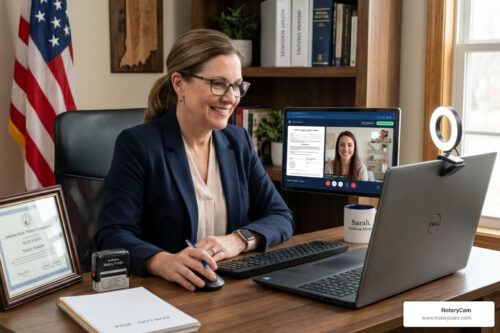
As technology evolves, so do the tools available to combat fraud. Remote Online Notarization (RON) has emerged as a secure and efficient solution for verifying identities and notarizing documents remotely.
Using audio-visual technology, identity verification tools, and digital audit trails, RON platforms like NotaryCam provide an added layer of security and confidence, helping prevent identity fraud prevention.
Online notarization platforms provide various benefits, including:
- Convenience and accessibility by eliminating the need for physical presence.
- Enhanced security with multi-factor authentication and tamper-evident technology.
- Faster turnaround times compared to traditional notarization.
- Reduced risk of document errors.
It’s important to choose a reputable RON provider that complies with legal requirements and industry standards. This ensures the validity and enforceability of your notarized documents.
Strengthening Security: Essential Practices
While technology plays a crucial role, robust security protocols and heightened awareness remain critical. By taking proactive measures to secure your real estate transactions, you can mitigate the risk of fraud and safeguard your investments.
1. Verify, Then Verify Again: Identity Verification
Identity verification is crucial at multiple stages in title and escrow transactions. Notaries are often the first line of defense, ensuring those signing documents are who they claim to be.
Request multiple forms of government-issued identification from all parties involved, and consider using technology, like knowledge-based authentication, to verify identities with an extra layer of assurance. For mortgage lenders, verifying the borrower’s identity and financial information is essential. This helps prevent fraudulent loan applications.
2. Maintain a Clear Paper Trail
Keep records of all interactions, communications, and documentation associated with the transaction. This includes correspondence with other parties, wire transfer instructions, and any changes made throughout the process.
Well-organized and readily accessible records can be invaluable in detecting discrepancies, resolving disputes, and aiding authorities in investigating potential fraud. The real estate industry is particularly susceptible to wire fraud. Make sure to have secure systems in place for handling financial transactions.
3. Embrace Third-Party Escrow Services
Instead of transferring funds directly to a seller, use a reputable escrow company to hold and disburse funds according to the agreed-upon terms. Escrow services act as neutral third parties, offering a layer of protection for both buyers and sellers.
This safeguard reduces the risk of funds being misappropriated and provides a mechanism for addressing disputes should they arise. Escrow agents play a crucial role in mitigating fraud. Verify their legitimacy, confirm contact information independently, and use secure portals for communication and document exchange.
Recognizing and Reacting to Red Flags
Timely recognition of warning signs is often the difference between prevention and becoming a victim. It is important to remain vigilant. Look out for red flags throughout the transaction process. This can make a huge difference.
Question Unusual Requests or Discrepancies
If a request seems off or a last-minute change raises concern, trust your instincts and don’t hesitate to verify the information independently. This may involve directly contacting the relevant party, such as the lender or escrow officer, through verified contact details.
Stay Alert: Recognize Common Red Flags
| Red Flags | Why it Might Signal Fraud |
|---|---|
| Pressure to close the deal quickly, especially with unusual demands | Rushing the process can make it harder for victims to spot inconsistencies or verify information, working in the scammer’s favor. |
| Requests for wired funds to an account that seems suspicious (like an offshore account) | Once money is sent via wire transfer, it’s extremely difficult to recover, making this a favored method among fraudsters. |
| Last-minute changes in closing details, especially regarding the disbursement of funds | Sudden shifts in previously established plans might point toward an attempt to divert funds to fraudulent accounts. |
| Offers that appear too good to be true compared to market value | Fraudsters often lure victims with prices significantly below market rates. If a deal seems impossibly good, proceed with caution, as it’s likely a scam. |
Protecting Yourself with Knowledge
When buying or selling property, it’s important to be knowledgeable about potential fraud schemes and implement robust prevention methods. Working with experienced professionals, including real estate agents and title company representatives familiar with these dangers, adds valuable expertise and oversight to every transaction.
Knowledge Protects You and Those You Work With
The importance of educating yourself and your team on real estate fraud, its various forms, and its associated warning signs can’t be stressed enough. You empower yourself and your employees to recognize and respond effectively to suspicious activity.
Fostering a culture of security where open communication of potential threats is encouraged can be a strong defense against falling victim to sophisticated scams. Remember, when it comes to title and escrow fraud prevention, an ounce of prevention is worth a pound of cure.
FAQs about title and escrow fraud prevention
What is escrow services fraud?
Escrow fraud occurs when criminals impersonate legitimate parties in a real estate transaction to steal funds intended for closing. This is often carried out by creating fake email accounts or websites that appear to belong to the escrow company or title company. This leads buyers to send funds to fraudulent accounts.
How to prevent escrow wire fraud?
Preventing escrow wire fraud requires vigilance. Always verify wire transfer instructions independently by contacting the escrow company through a verified phone number or source.
Never solely rely on email communications. Be wary of last-minute changes to wiring instructions, and always confirm any suspicious requests directly with the closing agent or escrow officer.
Is buying a car through escrow safe?
Similar to real estate, buying a car through a reputable escrow service adds a layer of protection. They verify funds, ensure the seller has the legal right to sell the vehicle, and handle the transfer of ownership and payment securely.
Choose well-known, licensed escrow companies, verify their credentials, and understand their fee structure before proceeding. Commercial real estate transactions are prime targets for fraud due to the high transaction values. Implement robust due diligence processes for verifying identities and ownership, especially for commercial real estate transactions.
How can you tell a fake escrow?
Spotting a fake escrow company requires attention to detail. Check if they have a professional website with clear contact information and licensing details. Research their reputation and any potential complaints filed against them through online reviews or the Better Business Bureau.
Be skeptical of companies pressuring you for a quick closing, offering suspiciously low fees, or requiring unconventional payment methods outside secure channels. Title insurance provides financial protection against certain title defects that were not discovered during a title search.
Conclusion
Title and escrow fraud prevention requires ongoing vigilance, adaptation to evolving tactics, and harnessing technological solutions. Title companies must embrace proactive security measures, prioritizing both advanced tools and employee training.
By empowering staff with knowledge, leveraging a layered security approach, and embracing innovative technologies like remote online notarization, you can combat the ever-present threat of fraud and create a secure transaction environment. In doing so, the title industry can better protect all parties involved, fostering trust and integrity within the vital realm of property and business transactions.
And remember, if something feels wrong, always trust your gut and seek advice from trusted professionals or authorities. Implementing even basic safeguards can greatly reduce your exposure to risk. Protect yourself by staying vigilant, asking questions, and thoroughly verifying information. After all, knowledge is your best defense against becoming a statistic.



 Your Privacy Choices