



Why Enterprises Are Rethinking Corporate Notary Software Solutions
Disclaimer: This blog post is for informational purposes only and does not constitute legal advice. Please consult an attorney for guidance on specific laws regarding Remote Online Notarization (RON), digital signatures, and related legal matters. As laws concerning RON and notarization are subject to frequent changes, it is advisable to verify current regulations with your local government.
Corporate notary software solutions are platforms built specifically to help businesses manage high-volume, multi-party notarizations securely and at scale, going well beyond what a standard individual notary tool can offer. If you are evaluating options, here is a quick overview of what these platforms typically provide:
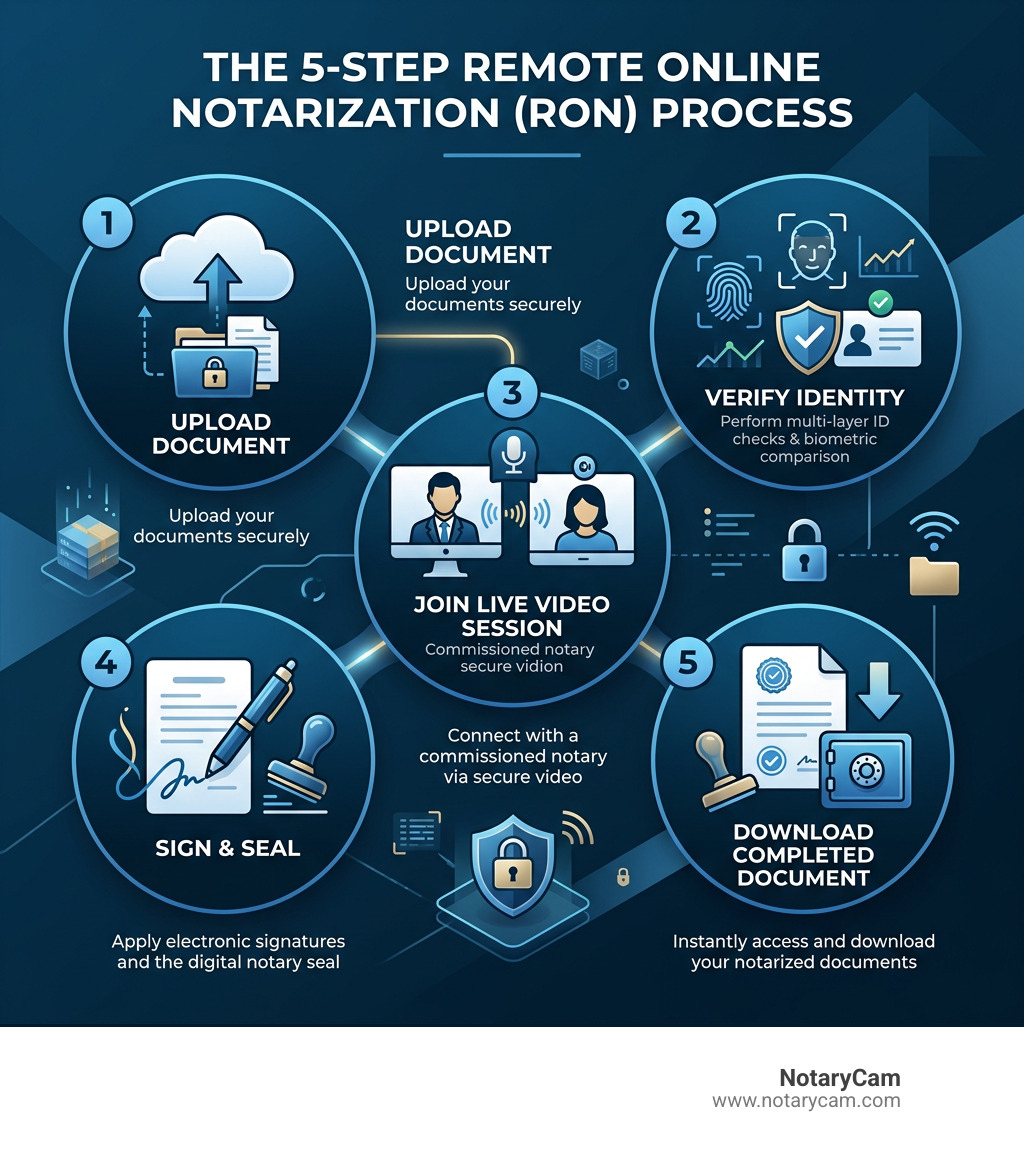
- Remote Online Notarization (RON): Notarize documents via live secure two-way audio video session, with all parties joining from any location using a device with webcam and audio capabilities and a reliable internet connection.
- Identity verification: Multi-factor authentication including knowledge-based authentication (KBA), and credential analysis.
- Electronic notary journals and audit trails: Tamper-evident records that may support corporate compliance and internal record-keeping requirements.
- Customization and API access: Options to brand the platform and connect it to existing corporate systems.
- Compliance and security certifications: Platforms may align with frameworks such as SOC 2 Type II, MISMO standards used in the mortgage industry, and HIPAA-related safeguards for handling protected health information.
Note: RON laws vary significantly from state to state. Some states have comprehensive frameworks supporting RON, while others may have restrictions or different requirements. Before implementing a solution, check with your state’s regulatory authorities and consult with an attorney familiar with RON laws in your jurisdiction to ensure compliance with current local legislation.
For large organizations, notary software solutions can be configured to support both individual notaries and enterprise-level operations. While some tools are commonly used by a single notary managing a modest number of appointments, many platforms also scale to handle higher transaction volumes, coordinate teams of properly commissioned notaries across multiple states, and integrate with existing business workflows.
The business case for upgrading is becoming harder to ignore. Mortgage companies, legal teams, HR departments, and financial institutions are all dealing with the same friction: slow turnarounds, document errors, and in-person scheduling bottlenecks that can delay critical transactions. One mortgage servicer, for example, reported a 50% reduction in loss mitigation document errors after adopting a licensed notary software platform, as demonstrated by the case study.
The infrastructure supporting digital notarization workflows continues to expand as more states authorize Remote Online Notarization. Organizations evaluating these solutions may find that the legal and technical frameworks needed for remote notarization are becoming more widely available.
Key Features of Corporate Notary Software Solutions
When we look at high-level corporate notary software solutions, the focus shifts from simple document signing to comprehensive transaction management. A central component of these platforms is the secure digital dashboard. This interface allows administrators to oversee pending and completed notarizations across the entire company.
Identity verification is another pillar of corporate-grade tools. Unlike basic e-signature apps, these platforms often use a multi-factor approach. This typically includes Knowledge-Based Authentication (KBA), where signers answerquestions generated from public records, and credential analysis.

Scalability within Corporate Notary Software Solutions
For a growing business, scalability is often a requirement. Enterprise platforms are designed to support high transaction volumes without a dip in performance. This often includes the ability to manage multiple user licenses for notaries, allowing a company to scale its internal team as demand increases.
Security Protocols in Corporate Notary Software Solutions
Security is a critical factor for any legal or financial institution. Leading platforms often pursue SOC 2 Type 2 compliance, which demonstrates a commitment to managing data based on the principles of security, availability, and privacy. Additionally, MISMO certification is a standard in the mortgage industry that helps support data consistency and security across platforms.
For those in the healthcare or insurance sectors, HIPAA standards are vital for protecting sensitive personal information.
Note: Notarization laws vary significantly from state to state. Some states have comprehensive frameworks supporting notarization, while others may have restrictions or different requirements. Before implementing a solution, check with your state’s regulatory authorities and consult with an attorney familiar with notarization laws in your jurisdiction to ensure compliance with current local legislation.
How RON Benefits Corporate Workflows
Implementing Remote Online Notarization can transform how departments handle paperwork. In real estate, for example, RON can significantly shorten loan modification timelines. Instead of mailing documents and hoping they are notarized correctly and returned, the process can happen with transparency, reduced errors and within compliant timelines.
Participants need a computer, laptop or tablet with webcam and audio capabilities and a reliable internet connection. Legal teams use these tools for certifications and affidavits, while HR departments may use them to onboard remote employees. Financial services firms find that digital workflows help reduce the risk of missing signatures or wrong dates.
Industry data suggests that moving to a digital platform can help reduce document errors by as much as 50%. You can find more info about enterprise RON solutions to see how these benefits apply to specific industries.
Corporate Notary Software vs Traditional Notarization
Traditional notarization often requires in-person meetings, physical documents, and manual recordkeeping. Corporate notary software solutions introduce digital workflows that can help streamline many of these steps.
| Feature | Traditional Notarization | Corporate Notary Software |
| Location | In-person meeting required | Remote video session possible |
| Documents | Paper-based | Digital documents (PDF) |
| Identity Verification | Visual inspection of ID | KBA, credential analysis, biometrics |
| Recordkeeping | Paper journal | Digital audit trail and video recording |
| Turnaround Time | Hours or days | Often completed in minutes |
For organizations managing large transaction volumes, the ability to execute notarizations remotely can simplify coordination across departments and geographic locations.
Integration with Existing Corporate Systems
A major advantage of corporate platforms is their ability to connect to the software you already use. Through API access, businesses may be able to connect their notary platform to existing systems like a document management system. This allows for a smoother flow of information where documents are automatically sent for notarization.
Implementing Corporate Notary Software Solutions in Your Organization
Getting started with a corporate solution usually begins with a structured onboarding process. Enterprise solutions often involve training for your team of notaries and administrators. This helps ensure that everyone understands the requirements and technical features of the platform.
Support services are another important differentiator among enterprise providers. Many providers offer technical support to help minimize disruptions during time-sensitive transactions. Pricing models for these platforms are typically flexible, often offering per-transaction rates or flat-fee enterprise licenses that accommodate high volumes.
For those interested in leveraging their own notary pool , software licensing options allow your notaries to complete the notarizations. This helps provide a consistent experience for your clients.
Common Enterprise Use Cases for Corporate Notary Software Solutions
Corporate notary software solutions are often used in industries that process large volumes of legally binding documents. These platforms help organizations manage notarization workflows across departments and geographic locations.
Common enterprise use cases include:
- Mortgage and lending documents: loan modifications, HELOC agreements, and closing documents
- Corporate governance documents: board resolutions, shareholder agreements, and corporate authorizations
- Legal affidavits and sworn statements: declarations used in litigation or compliance processes
- HR and executive onboarding: employment agreements, relocation documents, and benefits forms
- Real estate and property transactions: deeds, affidavits, and title-related documentation
The exact documents eligible for remote notarization may vary by state law and by the policies of the receiving institution, so organizations typically review workflows with legal counsel before implementing a corporate notarization platform.
Frequently Asked Questions
What is the difference between individual and corporate notary software?
Individual software is usually designed for a single notary to manage their own small business and appointments. Corporate software is built for teams and offers features like notary queues, centralized management, and the ability to handle higher transaction volumes. It also typically includes more robust security certifications and integration options for existing business systems. These platforms can include a network of notaries across different jurisdictions.
How does identity verification work in a corporate RON environment?
Most corporate platforms use a multi-step process to confirm a signer’s identity before the video session begins. This often includes checking a government-issued photo ID for security features and asking the signer a series of questions pulled from public records. Some platforms may also use biometric tools like facial recognition to compare the live person to their ID photo. These layers of security help protect the integrity of the notarization process.
What security certifications should a corporate platform have?
When evaluating a platform, you should look for industry-standard certifications like SOC 2 Type 2, which covers data security and privacy. If you are in the mortgage or financial sector, MISMO certification is also very important for data consistency. For healthcare-related documents, ensuring the platform is HIPAA compliant is a necessary step to protect sensitive patient information. These certifications help demonstrate a commitment to high security standards.
Is corporate notary software suitable for high-volume document workflows?
Yes, many corporate notary software solutions are designed specifically for organizations that process large numbers of notarized documents. Enterprise platforms often include features such as centralized dashboards, role-based permissions, and workflow automation tools that help teams manage multiple notarizations at once. These tools can support departments like legal, mortgage servicing, HR, and compliance teams that handle notarized documents regularly.
Conclusion
Digital document execution is becoming the standard workflow for many modern businesses. By adopting corporate notary software solutions, organizations can move away from the logistical headaches of paper-based notarization and toward a more efficient workflow. These platforms can provide the necessary tools to manage high volumes and maintain compliance across different jurisdictions.
The potential benefits of Remote Online Notarization can extend far beyond simple convenience. From reducing document errors to providing a professional experience for remote employees, many organizations report improvements in operational efficiency. For companies looking to scale, the ability to manage notary pools and integrate with existing systems provides a significant competitive advantage.
Our team at NotaryCam understands the complexities of this transition. We offer a platform that supports e-signatures and RON across many jurisdictions. Whether you are looking to enhance an existing workflow or build a new digital notary network, the right technology may help support those goals while maintaining strong security practices.
If you are ready to explore how a professional platform can support your organization, you can learn more about the NotaryCam Platform. As more organizations adopt digital document workflows, corporate notary software solutions may play an increasingly important role in supporting secure and efficient notarization processes.



 Your Privacy Choices